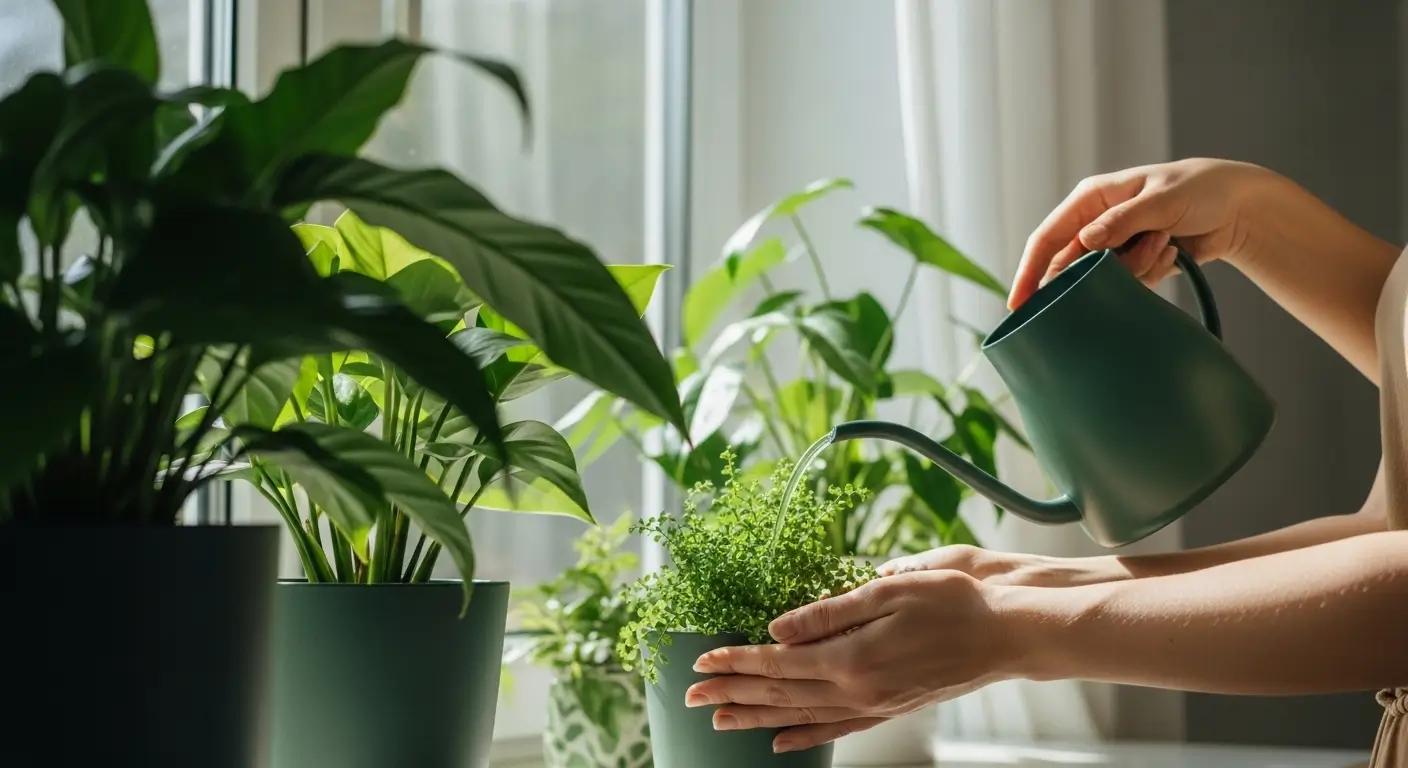
Taking care of plants may look simple, but in reality, proper plant care requires understanding a few essential principles. Whether you are a beginner or someone looking to improve your plant care routine, this complete guide will help you grow healthy, thriving plants with confidence.
Understanding the Basics of Plant Care
Every plant depends on four core factors: light, water, soil, and environment. When these elements are balanced correctly, plants grow faster, stay healthy, and look visually appealing.
Plants do not need constant attention, but they do require the right care at the right time. Overwatering, poor lighting, and incorrect soil are some of the most common reasons plants fail to grow properly.
Light Requirements for Healthy Growth
Light is the most important factor in plant growth. Without proper light, plants cannot perform photosynthesis, which directly affects their health and development.
Most indoor plants prefer bright, indirect light. Direct sunlight can sometimes damage leaves, while low light can slow growth and cause weak stems.
Different types of light conditions include:
Low light areas are suitable for plants like snake plants and pothos, where sunlight is minimal.
Bright indirect light works best for most houseplants and is usually found near windows.
Direct sunlight is ideal for succulents and cactus, which need several hours of sun daily.
Understanding your room lighting and placing plants accordingly is the key to long-term success.
Watering Plants the Right Way
Watering is where most beginners make mistakes. Giving too much water can damage roots, while too little can dry out the plant.
The best method is to check the soil before watering. Insert your finger into the soil; if it feels dry, then water the plant. If it feels moist, wait before watering again.
Plants should be watered thoroughly until excess water drains out from the bottom. This ensures the roots receive enough moisture without becoming waterlogged.
Avoid watering on a fixed schedule, as plant needs change based on weather, pot size, and environment.
Choosing the Right Soil and Pot
Soil plays a major role in plant health because it directly affects root growth and water drainage.
Well-draining soil is essential for most plants. Heavy or compact soil can trap water and lead to root rot. A good mix usually includes organic material along with components that improve drainage like sand or perlite.
Pots with drainage holes are highly recommended. Without proper drainage, water accumulates at the bottom, which can damage the roots and slow plant growth.
The right combination of soil and pot ensures that your plant remains stable and healthy over time.
Temperature and Environment
Plants thrive in stable environments. Sudden changes in temperature or humidity can stress the plant and affect its growth.
Most indoor plants prefer moderate temperatures and a consistent environment. Avoid placing plants near air conditioners, heaters, or drafty windows.
New plants also need time to adjust to their surroundings. It is recommended to let them settle for a couple of weeks before making any major changes like repotting.
Fertilizing and Nutrients
Plants require nutrients to grow properly, especially during their active growing season.
Using a balanced fertilizer once a month can improve plant growth and leaf quality. However, over-fertilizing can harm the plant, so it is important to follow recommended guidelines.
During colder months, plants grow slowly, so fertilization should be reduced or stopped.
Common Plant Care Mistakes to Avoid
Many plant problems are caused by simple mistakes that can easily be avoided.
Overwatering is the most common issue and often leads to root rot.
Placing plants in low light conditions can cause weak and slow growth.
Using the wrong type of soil can prevent proper drainage.
Ignoring drainage holes in pots can damage roots.
By understanding these common mistakes, you can prevent most plant health issues before they occur.
Signs Your Plant Needs Attention
Plants often show visible signs when something is wrong. Learning to read these signs can help you fix problems early.
Yellow leaves may indicate overwatering.
Dry or crispy leaves can be a sign of underwatering or low humidity.
Slow growth may indicate lack of light.
Regularly observing your plants will help you adjust care routines accordingly.
Final Thoughts
Plant care is not about doing more; it is about doing the right things consistently. When you understand light, water, soil, and environment, plant care becomes simple and enjoyable.
Start with a few plants, learn their needs, and gradually build your experience. With the right approach, anyone can grow healthy and beautiful plants at home.